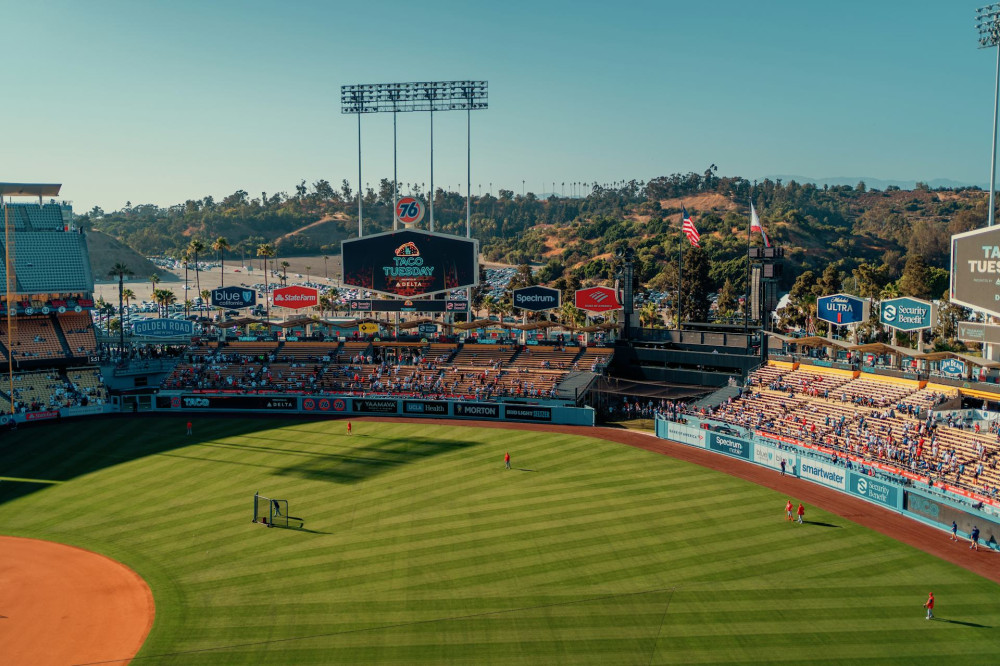
Arsenal Stadium: An Iconic Hub of Football History
The Arsenal Stadium, also known as Highbury, holds a special place in the hearts of football enthusiasts worldwide. From its humble beginnings to becoming a historic landmark in North London, the evolution of Arsenal Stadium is a testament to the rich legacy of football.
The Birth of Arsenal Stadium
In 1913, Arsenal Football Club acquired the site at Highbury and embarked on the construction of their new stadium. Designed by renowned architect Archibald Leitch, the stadium featured a distinctive Art Deco facade that set it apart from other sporting venues of that era.
The Glory Years at Highbury
Throughout the years, Arsenal Stadium witnessed unforgettable moments that etched themselves into football folklore. The Invincibles of the 2003-2004 season, led by manager Arsène Wenger, achieved an incredible feat by going unbeaten in the Premier League, further solidifying Highburys legendary status.
Key Features of Arsenal Stadium
- Imposing Clock End and North Bank stands
- Emirates Lounge for VIP guests
- Player tunnel adorned with club crests
- Historical museum showcasing Arsenals illustrious past
- Iconic marble halls exuding tradition and heritage
The Move to Emirates Stadium
In 2006, Arsenal bid farewell to Highbury and embraced a new chapter with the opening of Emirates Stadium. The state-of-the-art facility provided modern amenities and a larger seating capacity to accommodate the growing fan base. Despite the relocation, the memories and legacy of Arsenal Stadium continue to resonate with fans.
Legacy of Highbury
Although Arsenal Stadium no longer hosts matches, its spirit lives on through grassroots initiatives, community events, and historical tours that offer fans a glimpse into the clubs storied past. The echoes of cheers and chants reverberate through the halls of Highbury, reminding all who visit of the rich heritage of Arsenal Football Club.
Conclusion
Arsenal Stadium remains an enduring symbol of football excellence, a place where dreams were realized and legends were born. As fans continue to celebrate the clubs triumphs and milestones, the legacy of Highbury lives on, serving as a beacon of inspiration for generations to come.
What is the history behind Arsenal Stadium?
Arsenal Stadium, commonly known as Highbury, was the home of Arsenal Football Club from 1913 until 2006. It was originally built in 1913 and underwent several renovations over the years, becoming an iconic venue in English football history.
What were some of the notable features of Arsenal Stadium?
Arsenal Stadium was known for its unique Art Deco facade, the famous marble halls, and the Clock End and North Bank stands, which created an electric atmosphere during matches. The stadium had a seating capacity of around 38,000 spectators.
How did Arsenal Stadium contribute to the success of Arsenal Football Club?
Arsenal Stadium played a significant role in the clubs success, witnessing numerous historic moments, including league titles, FA Cup victories, and memorable European nights. The stadium became synonymous with Arsenals identity and tradition.
Why did Arsenal Football Club move from Arsenal Stadium to the Emirates Stadium?
The decision to move from Arsenal Stadium to the Emirates Stadium in 2006 was primarily driven by the need for increased seating capacity, modern facilities, and commercial opportunities. The Emirates Stadium provided a larger and more modern venue to accommodate the growing fan base and generate additional revenue streams.
What is the legacy of Arsenal Stadium in the hearts of Arsenal fans?
Arsenal Stadium holds a special place in the hearts of Arsenal fans, as it was the historic home where generations of supporters witnessed unforgettable moments and celebrated the clubs rich history. The memories and traditions associated with Arsenal Stadium continue to resonate with fans, preserving its legacy for years to come.
AC Milan Standings Explained: Latest Updates, Performance, and Position • Bayer Leverkusen vs Bayern Munich Lineups | Bayern Munich vs Leverkusen Lineups • PSG vs Lyon: A Clash of Titans • Premier League Table 2022/23: Latest Standings, Teams, and Analysis • The FIFA World Cup 2026: A Spectacular Event to Look Forward To • Newcastle United F.C. vs Tottenham Lineups • Chelsea vs Wrexham: A Clash of Football Titans • Juventus Standings • Everything You Need to Know About the 2023 Cricket World Cup • Ligue 1 Stats: Analyzing the Performance of Teams and Players •