Horse Betting for Beginners: Understanding the Basic Principles of Racing Wagers

Horse Betting for Beginners: Understanding the Basic Principles of Racing Wagers
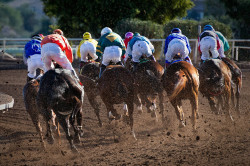
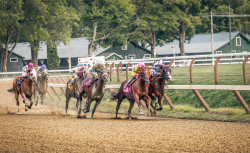
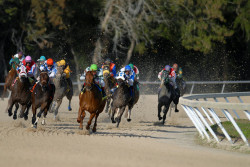
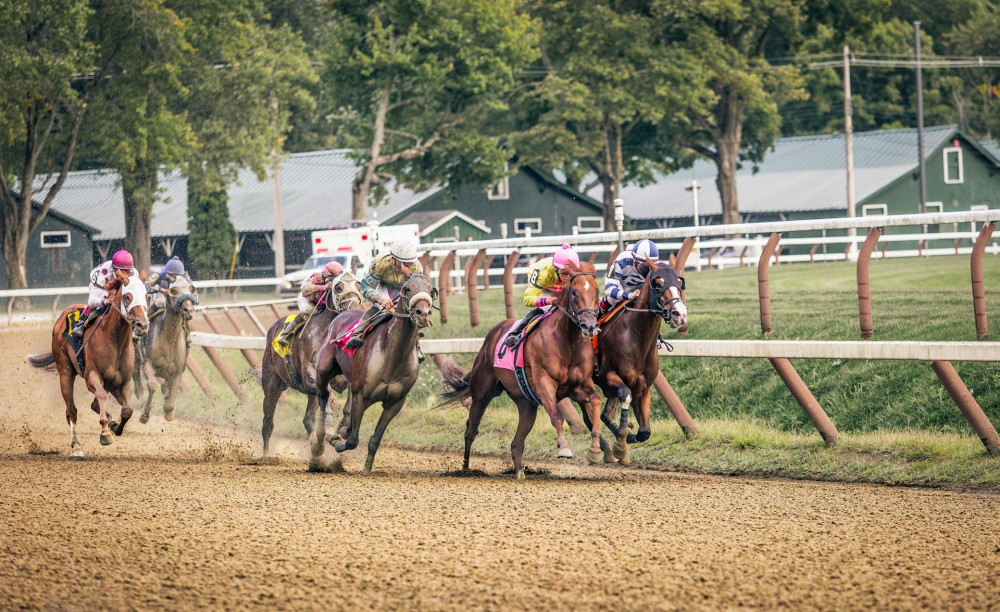
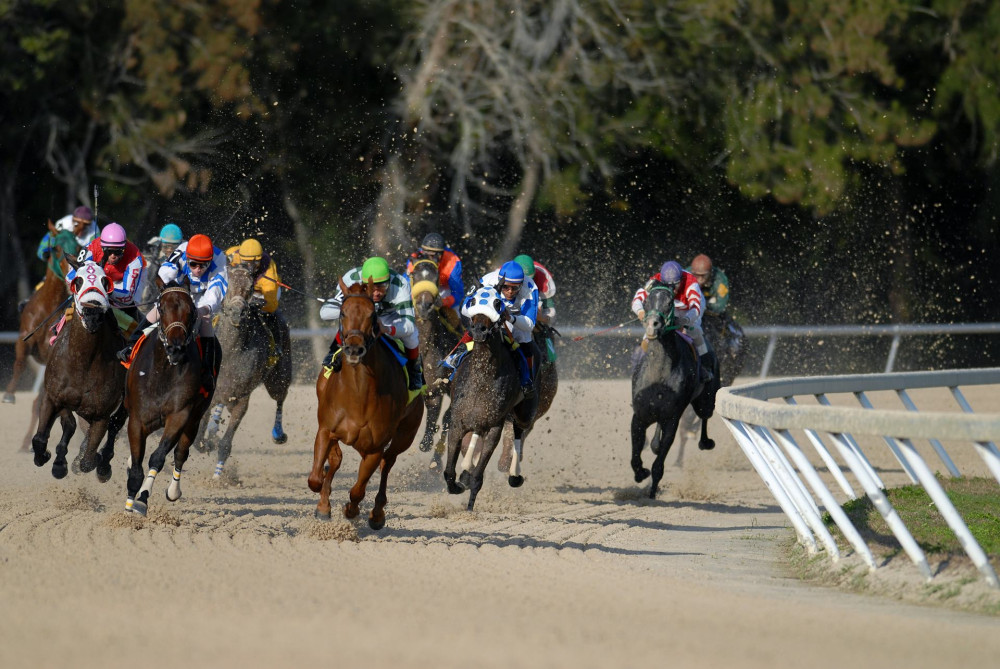
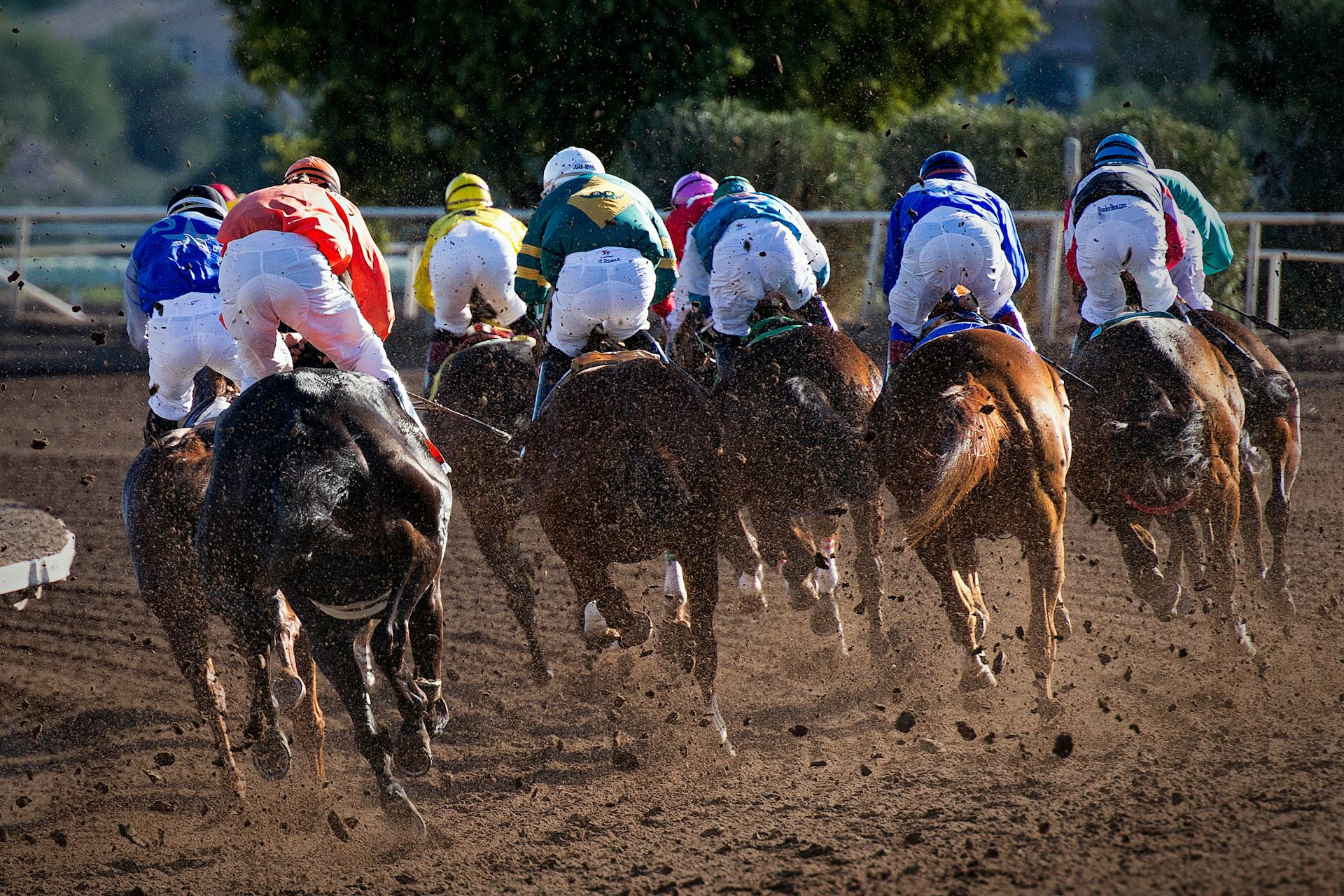
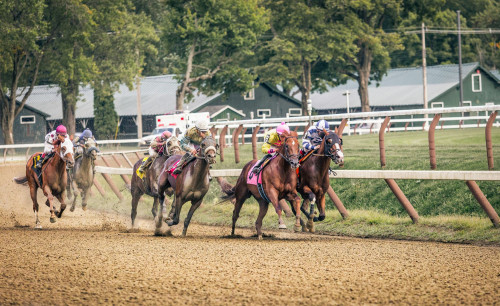
Horse racing has long been part of New Zealand’s sporting culture, from the excitement of the New Zealand Cup in Christchurch to the summer meetings at Ellerslie and Trentham. For many Kiwis, a day at the races is not just about the horses but also about the thrill of placing a small wager and testing one’s judgement. If you’re new to horse betting, the terminology and options can seem confusing at first. This guide will help you understand the basics so you can enjoy the experience responsibly and with confidence.
What Is Horse Betting?
Horse betting is about predicting the outcome of a race — most often which horse will win or how they will place. There are several common types of bets:
- Win – You bet on the horse you think will finish first.
- Place – You bet on a horse to finish in one of the top positions (usually first, second, or third, depending on the number of runners).
- Each-Way – A combination of a win and a place bet. If your horse wins, you collect both parts; if it only places, you still get a smaller return.
- Quinella – You pick two horses to finish first and second in any order.
- Trifecta – You predict the first three finishers in the correct order.
The more complex the bet, the higher the potential payout — but also the greater the risk.
Læs også:


Reading a Race Book
A race book or online race guide is your key to understanding what’s happening on the track. It provides details about each horse, its jockey, trainer, recent form, and starting position. Some of the most useful elements to look for include:
- Form – A summary of how the horse has performed in recent races. Consistent form often indicates good condition.
- Barrier Draw – The starting gate number. On some tracks, especially over shorter distances, a favourable draw can make a difference.
- Weight – Horses carry different weights depending on the race type and handicap system. A lighter weight can sometimes be an advantage.
- Jockey and Trainer – Experienced jockeys and trainers with strong records can signal a well-prepared horse.
Learning to interpret these details takes practice, but it’s the foundation for making informed bets rather than relying on luck alone.
Understanding Odds and Payouts
Odds show how much you can win relative to your stake and reflect how likely a horse is considered to win. Lower odds indicate a favourite; higher odds suggest an outsider.
For example, if a horse is paying $5.00 to win, a $10 bet would return $50 if it wins (including your original stake). Odds fluctuate as more people place bets, so it’s worth keeping an eye on the market, especially close to race time.
In New Zealand, most betting is done through the TAB (Totalisator Agency Board), which pools all bets and divides the winnings among successful bettors after deductions. This means payouts can vary slightly depending on how much money is wagered on each horse.
Factors That Influence a Race
Even with all the data available, horse racing remains unpredictable. Many factors can affect the outcome:
- Track Conditions – Some horses perform better on firm ground, while others excel on soft or heavy tracks.
- Weather – Rain, wind, and temperature can all influence how a race unfolds.
- Fitness and Temperament – Horses, like athletes, have good and bad days.
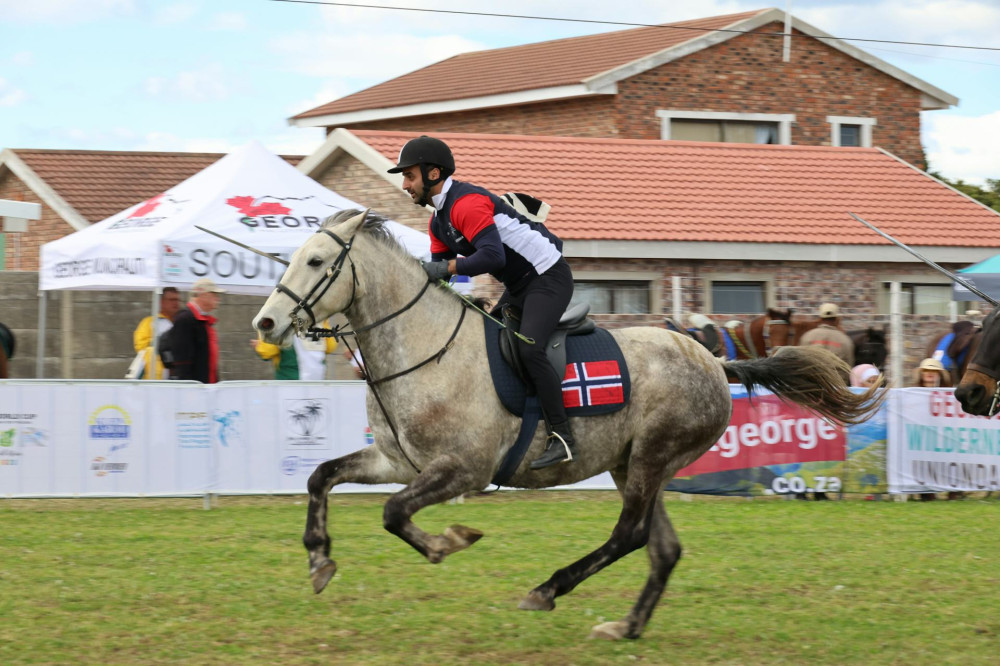
- Race Tactics – The jockey’s decisions during the race — when to hold back or push forward — can be crucial.
Observing how these elements interact over time will help you develop a better sense of what to look for when placing a bet.
Betting Responsibly
Horse betting should always be fun and social, not a way to make money. Set a budget before you start and stick to it. The TAB and most online platforms in New Zealand offer tools to help you manage your spending and set limits on deposits or losses. Use these features to keep your betting enjoyable and under control.
Getting Started
If you’re ready to give horse betting a try, here are a few simple steps:
- Visit a Racecourse – Experience the atmosphere at a local track such as Riccarton Park, Ellerslie, or Awapuni.
- Study the Race Book – Learn to read the statistics and descriptions before placing a bet.
- Start Small – Begin with simple win or place bets to get a feel for how it works.
- Follow the Sport – The more you learn about horses, trainers, and racing conditions, the better your understanding will become.
Over time, you’ll discover that successful betting is as much about observation and patience as it is about chance.
A Tradition of Skill and Excitement
Horse racing in New Zealand combines speed, strategy, and tradition in a uniquely thrilling way. For beginners, it may seem complex, but with a bit of knowledge and curiosity, it opens up a world of excitement and community. Whether you’re watching from the grandstand or following the action online, the key is to enjoy the experience — and always bet with care.
Læs også: