Humour and Symbolism in Betting Ads – Adapted to Local Cultures


Humour and Symbolism in Betting Ads – Adapted to Local Cultures
Betting advertisements have become a familiar part of the sporting landscape, appearing on stadium screens, during halftime breaks, and across social media feeds. They often rely on humour and recognisable symbols to connect with audiences and build trust. Yet what works in one country may fall flat—or even offend—in another. To be effective, both humour and symbolism must be carefully adapted to local cultures, values, and ways of communicating.
Humour as a Cultural Mirror
Humour is one of advertising’s most powerful tools, but also one of the most culturally sensitive. A joke that delights one audience may confuse or alienate another. In New Zealand, humour tends to be understated, self‑deprecating, and grounded in everyday life. Kiwi audiences often appreciate a dry wit and a sense of not taking oneself too seriously—qualities that reflect the country’s egalitarian spirit.
By contrast, British betting ads might lean on absurd or fast‑paced humour, while American campaigns often favour bold confidence and punchy slogans. In New Zealand, a more relaxed, tongue‑in‑cheek tone usually resonates better. A betting ad that pokes fun at the unpredictability of sport or the friendly banter between mates can feel authentic and relatable, whereas overt bragging or exaggerated excitement may seem out of place.
Symbolism and Local Identity
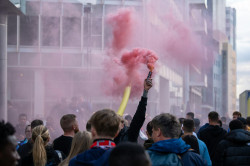
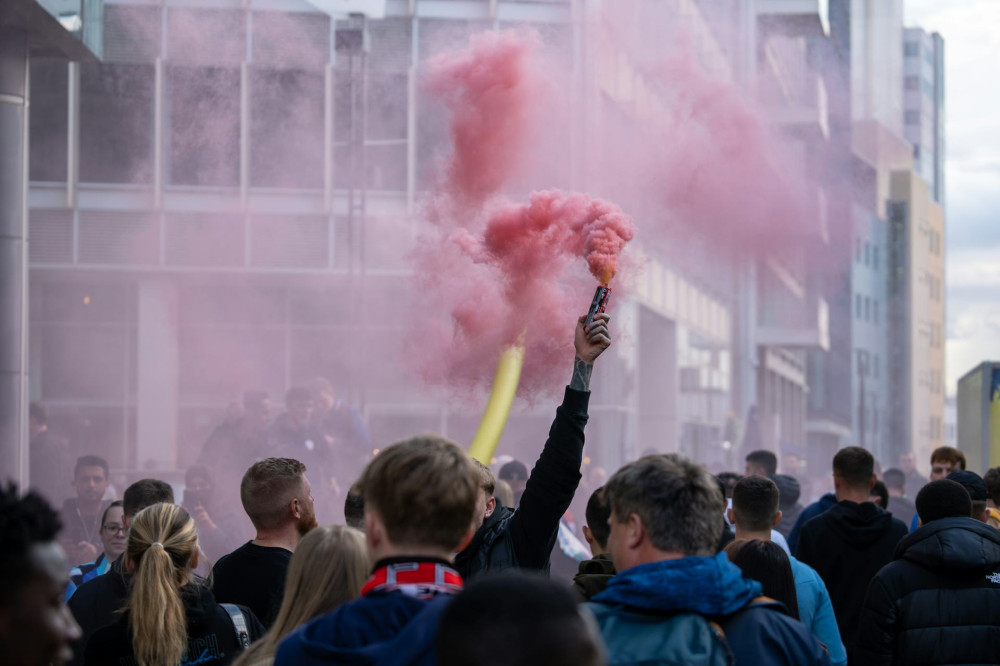
Symbols in advertising act as shortcuts to emotion and meaning. In betting ads, they often draw on national sports, colours, and shared experiences. In New Zealand, rugby is more than a game—it’s a cultural touchstone. Imagery of muddy fields, loyal fans, and community clubs can evoke a sense of belonging that goes beyond the bet itself. The silver fern, the haka, or even a backyard barbecue can serve as subtle cultural anchors that make a campaign feel local.
Elsewhere, symbols carry different meanings. In Asia, red might represent luck; in Europe, it can signal danger. A gesture or colour that feels natural in one market might be misinterpreted in another. For New Zealand audiences, authenticity is key—symbols that feel forced or imported tend to be met with scepticism. A campaign that celebrates local sportsmanship and camaraderie, rather than glamour or excess, is more likely to strike the right chord.
The Role of Humour in Building Trust
Betting is an area where trust is essential. Consumers need to feel that a brand is both responsible and approachable. Humour can help bridge that gap—it humanises the company and makes the message more memorable. When a betting ad makes people smile, it lowers barriers and encourages engagement.
However, balance is crucial. Too much humour can make the brand seem frivolous, while too little can make it appear cold or corporate. The most effective campaigns combine humour with clear symbolism that reinforces the brand’s values—whether that’s fair play, community, or responsible gaming.
Local Collaboration and Cultural Authenticity
Many betting companies now collaborate with local athletes, comedians, or influencers to ensure their campaigns feel genuine. A well‑known rugby player joking about a missed conversion or a local comedian riffing on the ups and downs of fandom can create a sense of shared experience that international celebrities cannot replicate.
At the same time, there is growing awareness of cultural sensitivity. Jokes or imagery that once seemed harmless may now be viewed as outdated or exclusionary. Brands increasingly consult local advisors to ensure their humour and symbolism align with community values and ethical standards.
Læs også:



A Global Industry with Local Nuance
The betting industry is global, but its communication is increasingly local. Humour and symbolism act as cultural codes that must be translated with care. A successful ad is not just funny—it is meaningful within its cultural context.
When humour and symbolism are used with respect for local identity, betting ads can become more than just marketing tools. They can reflect how sport, community, and entertainment are experienced in different parts of the world—and in New Zealand, that means celebrating the laid‑back humour, team spirit, and authenticity that define Kiwi culture.
Læs også: