Mistakes as Learning: Analyzing Drivers’ Weaknesses and Potential for Improvement


Mistakes as Learning: Analyzing Drivers’ Weaknesses and Potential for Improvement
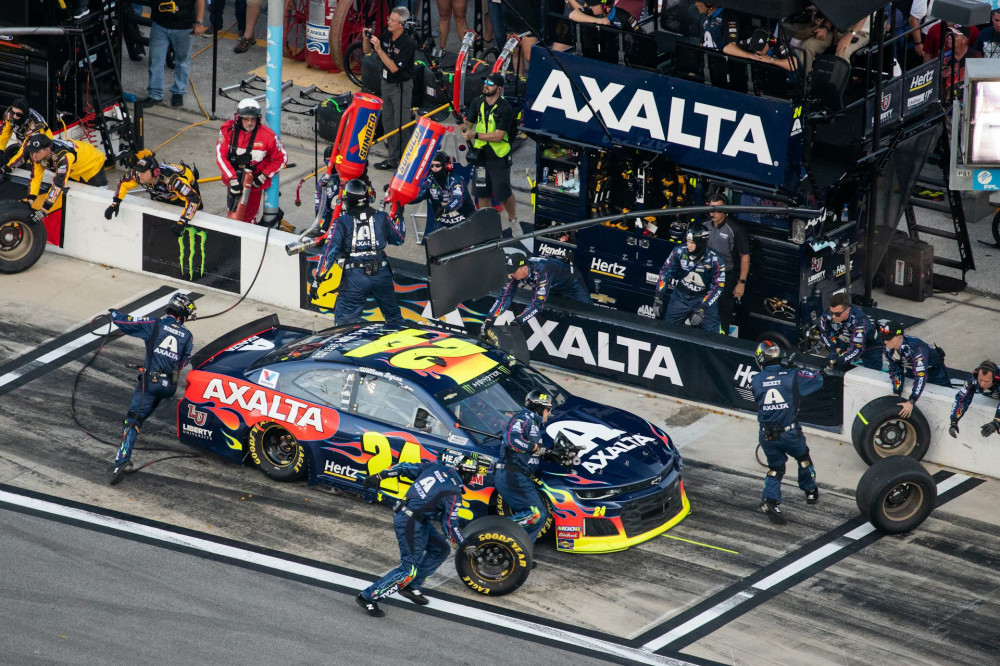
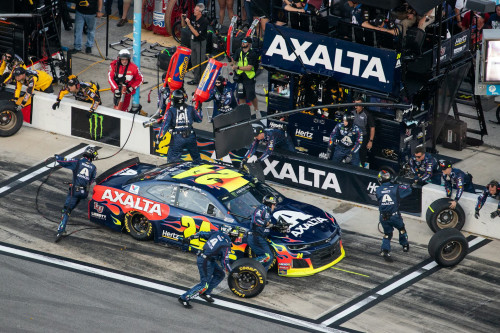
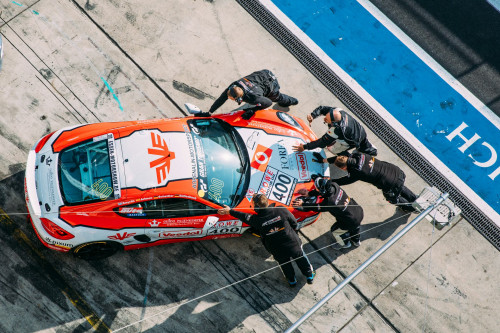
In motorsport, mistakes are inevitable – but they are also among the most valuable sources of growth. Every time a driver misses a braking point, loses grip in a corner, or makes a strategic misjudgment in the pits, a learning opportunity arises. For drivers, teams, and those who follow the sport closely – including analysts and betting enthusiasts – the key lies in understanding why mistakes happen and how they can be transformed into strengths.
Mistakes as Mirrors of Potential
A mistake on the track rarely signals a lack of talent. More often, it reveals where the limits lie – and where the greatest potential for improvement exists. When a driver consistently pushes the car to its edge, errors tend to occur in similar situations: braking too late, accelerating too aggressively, or attempting an overtake that’s too risky. Within these recurring patterns lies the roadmap to progress.
For teams and analysts, distinguishing between random errors and systematic weaknesses is crucial. A single off-track moment in wet conditions may not mean much, but if a driver repeatedly struggles in the rain, it points to an area where technique, confidence, or communication needs refinement.
Data as the Key to Understanding
Modern motorsport thrives on data. Every lap is recorded in microscopic detail – from brake pressure and tyre temperature to steering angle and throttle input. By comparing data across drivers, engineers can pinpoint exactly where time is lost and where improvements can be made.
For instance, a driver who consistently loses time exiting slow corners may be applying throttle too early, causing wheelspin and loss of traction. Another might be too cautious, failing to exploit the car’s full potential. Once these tendencies are identified, training can be targeted – turning weaknesses into measurable gains.
The Mental Dimension
Technical skill and data analysis are only half the equation. The mental side of driving is equally vital. A driver who fears repeating a mistake may become overly cautious – and therefore slower. Conversely, overconfidence can lead to repeated errors, as warning signs from the car are ignored.
The best drivers use mistakes as fuel for improvement. They analyze them calmly, without letting frustration cloud their judgment. Instead of viewing a mistake as failure, they see it as a data point – a step toward mastery.
Learning in Practice – From Theory to Results
When a driver and team work systematically with mistakes, progress often follows quickly. Small adjustments in driving style, braking technique, or communication with engineers can yield significant results. The goal is to foster a culture where mistakes are not hidden but shared and discussed openly.
Many teams use video analysis and simulator sessions to recreate situations where errors occurred. In these controlled environments, drivers can experiment with alternative approaches without risk – building new habits that can later be applied on track.
Læs også:

The Perspective for Analysis and Betting
For those who follow motorsport from an analytical or betting perspective, understanding mistakes and improvement potential is essential. A driver coming off a difficult weekend may be undervalued in the odds if the mistakes were caused by temporary factors – such as weather or mechanical issues – rather than a lack of skill.
Conversely, a driver who repeatedly makes the same errors may be facing a deeper issue that won’t be solved overnight. Distinguishing between these scenarios requires insight into data, psychology, and team dynamics – a combination that separates surface-level observation from true analysis.
Mistakes as the Foundation for Progress
Ultimately, mistakes are not the enemy – they are the foundation of progress. In motorsport, where margins are razor-thin and pressure immense, the ability to learn from errors is what separates the good from the great. Every mistake holds a lesson, and every lesson brings a driver closer to the perfect lap.
For drivers, teams, and analysts alike, the same principle applies: those who understand their mistakes also understand their path forward.
Læs også: