Set Your Esports Budget – and Stay in Control


Set Your Esports Budget – and Stay in Control
Esports has grown from a niche pastime into a global entertainment phenomenon – and for many New Zealanders, it’s become a hobby that also involves money. Whether you’re a player, a fan following tournaments, or someone who enjoys a bit of esports betting, it’s important to keep your finances in check. A clear budget helps you stay organised, avoid impulse spending, and make sure gaming remains fun and responsible. Here’s how to set your esports budget – and stick to it.
Know Your Purpose and Limits
Before you start crunching numbers, think about why you spend money on esports. Is it for entertainment, to support your favourite team, or to improve your own setup for competitive play? Once you understand your motivation, it’s easier to decide what’s reasonable to spend.
Next, set a clear monthly limit that fits within your overall finances – just like you would for any other hobby. The key is to only spend what you can comfortably afford to lose. Treat esports as part of your leisure budget, not as an investment.
Get a Clear Picture of Your Expenses
Esports spending can come from many directions: equipment, games, subscriptions, tournament fees, and possibly betting. To get a realistic overview, break your expenses into categories:
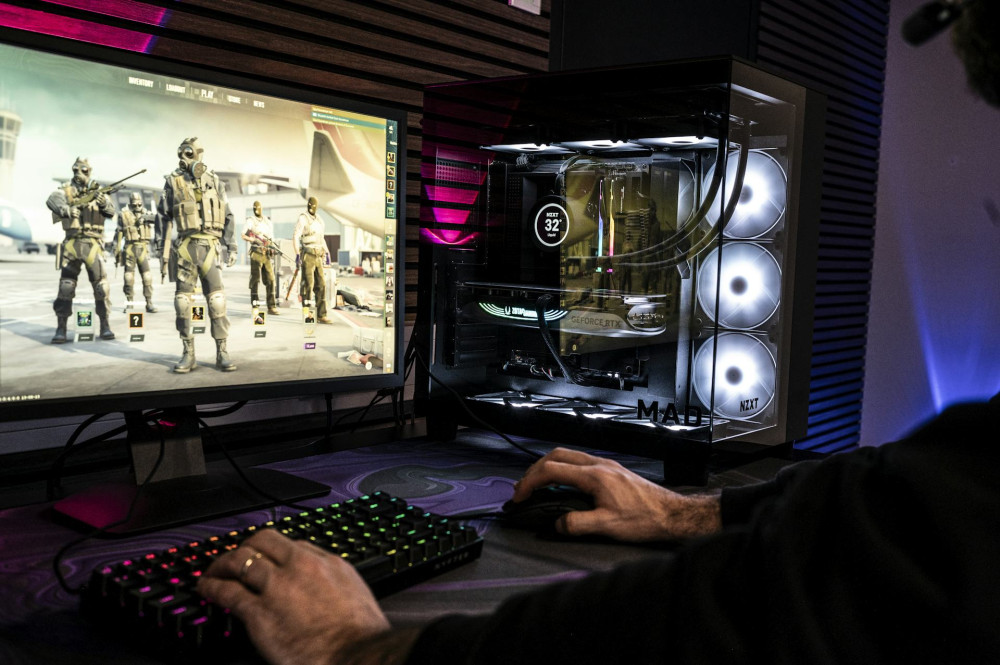
- Equipment and hardware – gaming PC or console, monitor, headset, keyboard, and accessories.
- Games and upgrades – new titles, skins, or in-game currency.
- Subscriptions and services – streaming platforms, cloud storage, or premium memberships.
- Tournaments and events – entry fees, travel, or tickets to live competitions.
- Betting and odds – if you bet on esports, keep this as a separate, fixed category.
Seeing the numbers in black and white makes it easier to adjust and prioritise.
Use Tools to Track Your Budget
There are plenty of digital tools to help you manage your esports budget. You can use a simple spreadsheet, a budgeting app, or your bank’s spending tracker. Some betting platforms also offer built-in tools that let you set deposit or time limits.
The most important thing is to check in regularly. Set aside a specific day each month to review your spending and see if you’re staying within your limits. This gives you peace of mind and helps you make small adjustments before things get out of hand.
Keep Entertainment and Investment Separate
It can be tempting to see esports as a way to make money – especially if you compete or bet on matches. But it’s important to separate entertainment from investment. Most esports spending should be viewed as hobby spending, not as a source of income.
If you do take part in betting, treat it like any other form of gaming: it should be fun, and you should always be able to stop when you want. Set clear limits for both time and money, and make use of the responsible gaming tools that many platforms provide.
Læs også:



Plan Ahead
A good esports budget isn’t just about managing your current spending – it’s also about planning for the future. Maybe you’re saving for a new gaming PC, a trip to an international tournament, or a better streaming setup. By putting a little aside each month, you can reach your goals without breaking the bank.
Think about how your spending habits might change over time. As you gain experience, you might find yourself making fewer impulse purchases and focusing more on quality gear or experiences that truly matter to you.
Stay in Control – and Keep the Fun Alive
Esports should always be enjoyable. A budget isn’t a restriction – it’s a tool that helps you stay in control and avoid financial stress. When you know your spending is under control, you can fully enjoy the games, the community, and the excitement without guilt.
By planning, reviewing, and adjusting regularly, you can strike a healthy balance between passion and responsibility – and make sure esports remains a positive and rewarding part of your life.
Læs også: