Statistics and Form: Tracking a Hockey Player’s Development Over Time

Statistics and Form: Tracking a Hockey Player’s Development Over Time
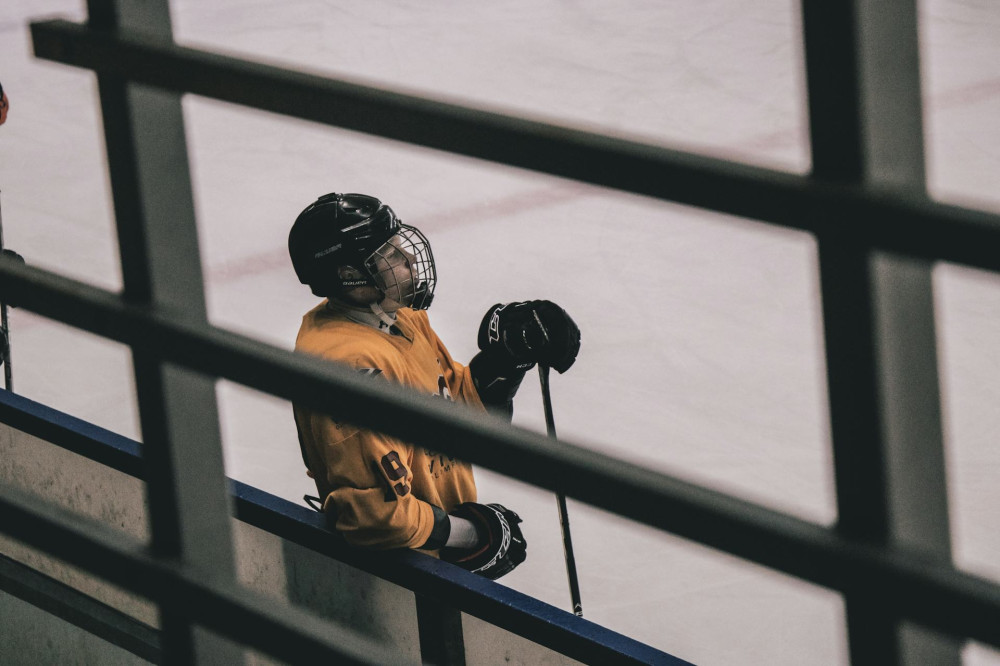
Ice hockey is a sport of fine margins – a single bounce or split-second decision can decide a game. For coaches, fans, and analysts alike, understanding how a player’s form evolves over time is key to interpreting performance and predicting future success. Statistics are an essential tool in this process, but numbers alone never tell the full story. They must be read in the context of the game’s flow, team strategy, and the player’s role on the ice.
Statistics as a Guide – But Not the Whole Picture
Hockey is rich in data: goals, assists, plus/minus ratings, shots on goal, time on ice, faceoff percentages, and more. These figures help paint a picture of a player’s performance, but they don’t capture everything. A defenceman might not score often, yet still be crucial in breaking up plays or driving puck possession.
To understand development over time, it’s important to look for trends rather than isolated games. A rising shot rate can signal growing confidence and offensive involvement, even before goals start to appear. Conversely, a drop in ice time or shot attempts might suggest a player is struggling or has been moved down the lineup.
Læs også:
Form Curves and Context
Form in sport is fluid. A player can go on a “hot streak” where everything clicks, or hit a slump where nothing seems to work. Statistics can help identify these patterns, but context is everything.
Has the player just returned from injury? Has the team changed tactics or line combinations? Are they adjusting to a new league or travel schedule? For New Zealand players competing in the Australian Ice Hockey League or overseas, such factors can have a big impact. Combining statistical analysis with direct observation – watching highlights, reading match reports, or following team updates – gives a more complete picture.
Advanced Metrics: Corsi, Fenwick, and Expected Goals
In recent years, hockey analytics have evolved beyond traditional box scores. Corsi and Fenwick measure shot attempts for and against while a player is on the ice, offering insight into puck possession and territorial play. Expected goals (xG) goes a step further, estimating the quality of scoring chances based on shot location and type.
These advanced stats can reveal whether a player is creating opportunities even when the goals aren’t coming. A consistently high xG without goals might indicate that scoring is just a matter of time – valuable information for coaches, scouts, and fans tracking performance trends.
The Mental and Physical Dimension
Numbers can show a lot, but not everything. A player’s form is also shaped by factors that can’t be easily measured: confidence, fatigue, injuries, and team morale. A forward logging heavy minutes might see their efficiency drop late in a road trip, or a young player might struggle mentally after a tough stretch of games.
That’s why it’s worth paying attention to interviews, team news, and coach comments. These insights can reveal how a player is feeling and what might be influencing their performance beyond the stat sheet.
How to Track Development Over Time
If you want to follow a hockey player’s progress systematically, consider these approaches:
- Compare time periods – look at stats over 5, 10, or 20 games to identify trends.
- Monitor ice time and role – changes here often explain shifts in production.
- Analyse opponents – some players perform better against certain styles or teams.
- Blend data with observation – use both numbers and your own eyes to form a balanced view.
By combining statistical trends with an understanding of the game’s rhythm, you can gain a much deeper appreciation of where a player stands – and where they might be heading.
From Numbers to Insight
Tracking a hockey player’s development isn’t just about counting goals and assists. It’s about understanding how performance is shaped by data, context, and human factors. Statistics are a tool, not a verdict. When you learn to interpret them alongside the realities of the game, you gain a sharper sense of what form truly means – both for the player on the ice and for the sport as a whole.
Læs også: