Stay Motivated: How to Handle Frustration During Darts Practice


Stay Motivated: How to Handle Frustration During Darts Practice
From the outside, darts might look simple – three darts, a board, and a target. But anyone who’s spent hours at the oche knows the game demands precision, patience, and mental strength. When your darts don’t land where you want them to, frustration can creep in fast. That’s often the moment that separates those who give up from those who grow. This article explores how to stay motivated and manage the inevitable frustration that comes with darts practice – with a few tips tailored for Kiwi players.
Understand the Role of Frustration
Frustration isn’t a sign of weakness – it’s a sign that you care about improving. When you feel annoyed after a poor round, it means you have ambition. The key is how you respond to that feeling.
Instead of letting anger take over, treat frustration as feedback. Ask yourself: what went wrong? Was it your grip, your focus, or your rhythm? By analysing rather than judging yourself, you can turn frustration into progress. Many top players use this mindset – they see mistakes as data, not defeat.
Set Realistic Goals
One of the biggest sources of frustration is unrealistic expectations. If you expect to hit 180s after a few weeks of practice, you’re setting yourself up for disappointment. Instead, work with small, measurable goals:
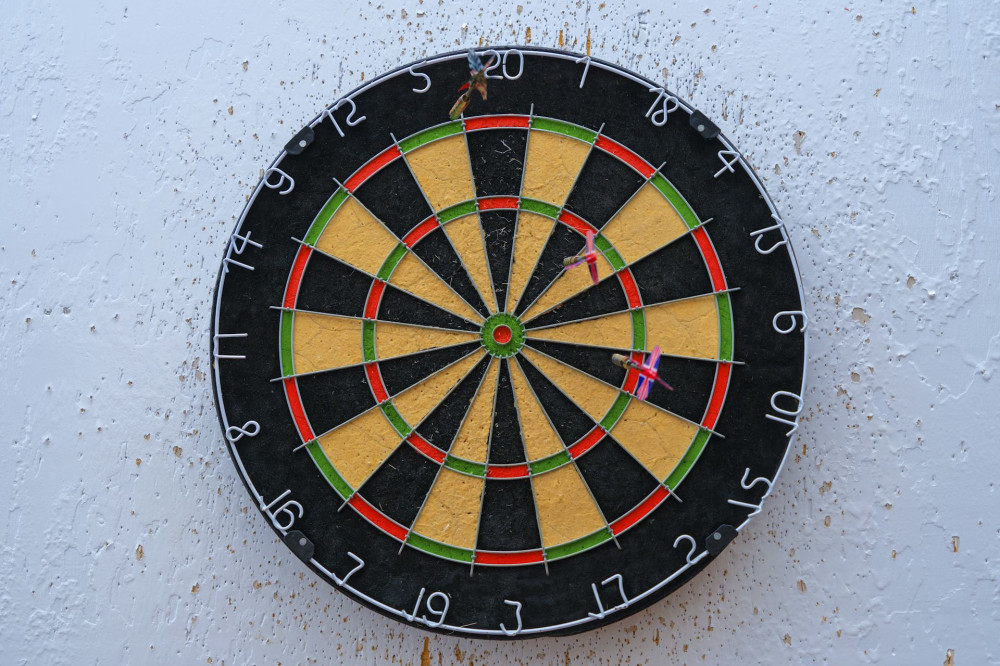
- Hit the 20 segment 10 times in a row.
- Improve your average score by 5 points over a month.
- Practise finishing doubles like D16 and D20 consistently.
When you can see tangible progress, motivation builds naturally. It’s not about perfection – it’s about getting a little better each time you play.
Bring Structure to Your Practice
Unstructured practice can quickly lead to stagnation and irritation. Plan what you’ll focus on in each session – accuracy, rhythm, or finishing. Keep a training journal to track your results and reflections.
A good rule of thumb is to balance technical practice with match-style practice. Technical sessions focus on repetition and form, while match play simulates real-game pressure. This combination helps you train both your body and your mind.
Manage the Mental Game
Darts is as much a mental sport as it is a technical one. When frustration hits, having mental strategies ready can make all the difference:
- Take a deep breath and pause if you feel irritation rising.
- Visualise success – picture the dart landing exactly where you want it before you throw.
- Stick to routines – repeat the same pre-throw actions to create calm and consistency.
Many players find that mental composure is what separates a good day from a bad one. The more you practise staying calm, the more consistent your performance will become.
Find Joy in the Process
It’s easy to forget why you started playing darts when results don’t come quickly. But the joy of the game is what fuels long-term improvement. Reconnect with that by:
- Playing with friends at your local pub or darts club.
- Joining community tournaments to experience the camaraderie.
- Trying new drills to keep practice fresh and engaging.
New Zealand has a strong social darts culture – from small-town leagues to friendly pub nights – so use that community spirit to keep your motivation alive.
Accept the Off Days
Even the best players have days when nothing seems to work. It’s part of the journey. Instead of fighting it, accept it as a natural part of improvement. Use those days to focus on technique, rhythm, or simply enjoying the game without pressure.
Accepting bad days doesn’t mean giving up – it means understanding that progress isn’t linear. The ability to bounce back is what builds resilient, motivated players.
Læs også:




Motivation Is a Muscle
Motivation isn’t something you either have or don’t have – it’s something you train. Every time you choose to keep going despite frustration, you strengthen your mental endurance. Over time, it becomes easier to handle setbacks because you know they’ll pass.
So next time you’re standing at the oche, feeling that familiar irritation, remind yourself: this is part of the journey. Every dart – even the bad ones – brings you closer to becoming the player you want to be.
Læs også: