The Secrets of the Court Surface: Predict the Flow of a Tennis Match

The Secrets of the Court Surface: Predict the Flow of a Tennis Match
When two tennis players step onto the court, it’s not just their skill, fitness, and mental toughness that determine the outcome. The surface beneath their feet plays a crucial role in shaping how the match unfolds. Each type of court – clay, grass, or hardcourt – has its own personality, influencing the ball’s speed, bounce, and the players’ movement. For anyone who wants to understand or even predict the rhythm of a match, knowing the secrets of the surface is essential.
Clay Courts – The Test of Patience
Clay courts, like those seen at Roland Garros, are slow and demanding. The ball loses speed when it hits the surface and bounces high, leading to long rallies and tactical battles. Players who thrive on clay are usually those with strong defensive skills, consistency, and the ability to construct points patiently.
Sliding is part of the art on clay, and players who master it can turn defense into attack. For spectators, clay-court tennis often means endurance, strategy, and momentum shifts that build over time. Prediction: matches on clay are rarely quick affairs – they reward patience, stamina, and mental resilience.
Grass Courts – Speed and Precision
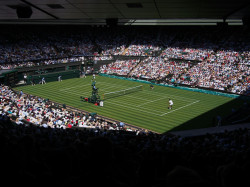
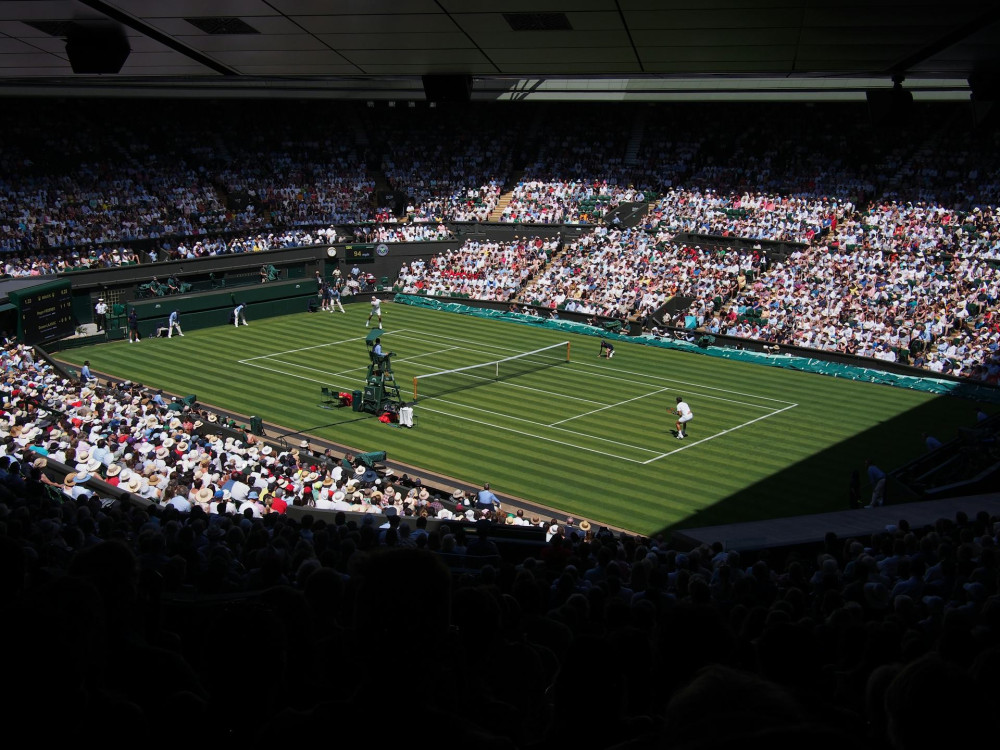
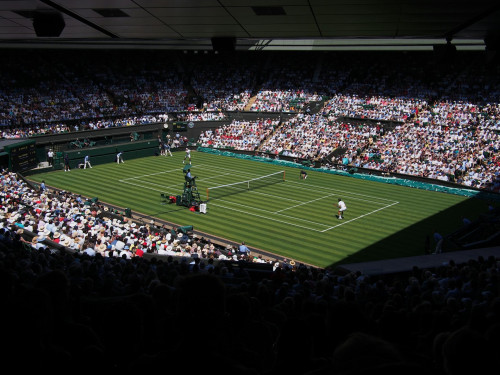
Grass courts, like those at Wimbledon, are the fastest in tennis. The ball skids off the surface and stays low, favouring players with a powerful serve and an attacking mindset. Here, taking control early in the rally is key, and points are often short and explosive.
Serve-and-volley players or those with sharp net instincts tend to excel, while baseline grinders may struggle to find their rhythm. Grass demands precision and quick reactions – a single misstep can cost a point. Prediction: expect short rallies, rapid momentum swings, and matches where aggression pays off.
Hardcourts – The Balance Between Power and Control
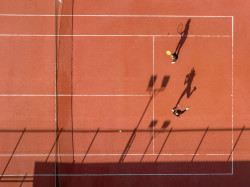
Hardcourts, used at the Australian Open and US Open, offer a middle ground between clay and grass. The bounce is consistent and moderately fast, creating a balanced contest between offensive and defensive styles. This is the surface most familiar to New Zealand players and fans, as it’s the standard for many local clubs and tournaments.
Versatility is the key to success here. Players who can adapt their tactics, mix up pace, and handle the physical demands of long rallies tend to perform best. Prediction: matches on hardcourt often feature tactical variety, with both serve and return playing decisive roles.
Indoor Courts – Rhythm and Focus
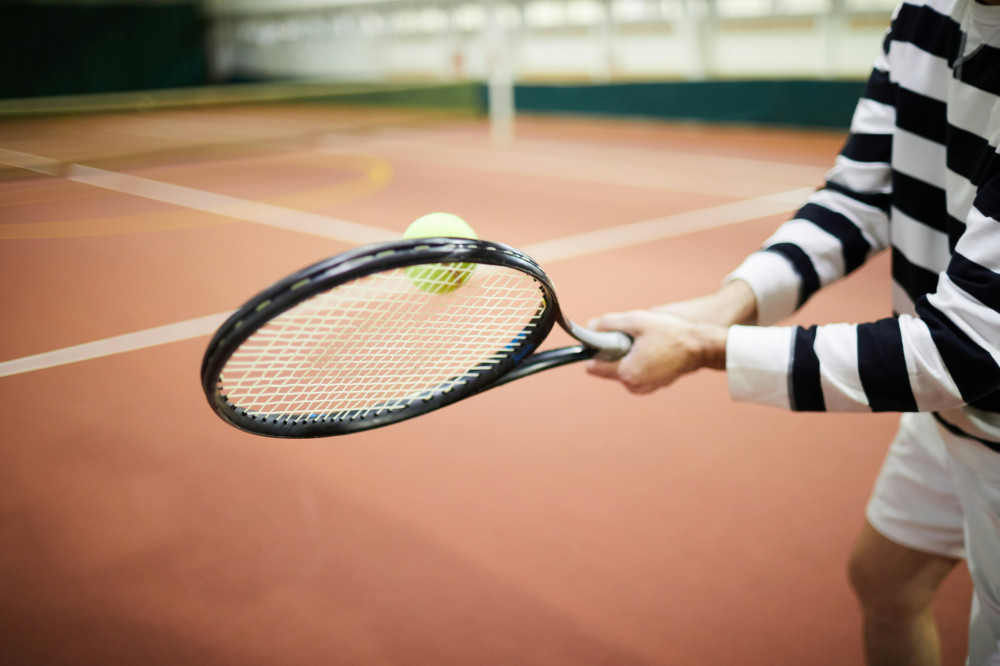
Indoor courts, often made of synthetic materials, remove the unpredictability of weather. No wind, no sun – just pure tennis. The surface is usually fast, rewarding players with strong serves and aggressive play. But without external distractions, mental focus becomes even more important.
In indoor conditions, rhythm and timing are everything. Players who can maintain concentration and control the tempo often dominate. Prediction: consistency and mental strength are the deciding factors indoors.
Læs også:
How to Use Surface Knowledge
For tennis enthusiasts – whether you’re watching the ASB Classic in Auckland or following the Grand Slams – understanding the surface can help you anticipate how a match might unfold. Here are a few tips:
- Check a player’s record on the surface. Some players shine on clay but struggle on grass, or vice versa.
- Consider playing style. Big servers and aggressive hitters thrive on faster courts, while counterpunchers and defensive players excel on slower ones.
- Factor in the weather. Even on the same surface, humidity, temperature, and wind can alter the ball’s behaviour.
- Look at the stage of the tournament. Early rounds may expose surface weaknesses, while top players often adapt as the event progresses.
The Surface as Tennis’s Hidden Partner
The court surface is tennis’s silent influencer – shaping rallies, dictating pace, and highlighting different strengths in each player. By understanding how the ball behaves on each type of court, you can not only appreciate the game more deeply but also make informed predictions about how a match will flow.
So next time you watch a match, pay attention to how the players move, how the ball bounces, and how the surface itself helps write the story of the contest.
Læs også: