When the Weather Changes Everything: How the Route Profile Affects the Odds in Cycling Races


When the Weather Changes Everything: How the Route Profile Affects the Odds in Cycling Races
When you watch a cycling race on TV, it can seem like it’s all about power and tactics. But behind the scenes, the route profile and the weather play a much bigger role than most people realise – especially when it comes to predicting outcomes and setting odds. A sudden gust of wind can destroy a breakaway, and a steep climb can turn the favourites’ list upside down. For fans who follow the sport closely – and perhaps place a bet or two – understanding these factors is essential.
The Route Profile: The Blueprint of the Race
Every race has its own personality. Some are built for sprinters, others for climbers or all-rounders who thrive on rolling terrain. The route profile tells the story of how the race is likely to unfold – and which riders are best suited to win.
- Flat stages favour sprinters. It’s all about positioning and timing in the final kilometres. The odds on the fastest riders are usually short, but crosswinds or rain can create unexpected splits.
- Mountain stages are where the pure climbers shine. Weight, endurance, and pacing become crucial. The general classification contenders often reveal their true form here.
- Hilly classics like the Tour of Flanders or Liège–Bastogne–Liège reward explosive power and tactical awareness. Outsiders can surprise, and the odds often reflect that unpredictability.
Reading a route profile isn’t just about counting elevation gain. It’s about understanding where the decisive moments are. A climb 10 kilometres from the finish means something very different from one 50 kilometres earlier.
Læs også:


The Weather – The Invisible Opponent
Even the most detailed route analysis can be turned upside down by the weather. Wind, rain, and temperature all influence performance and team tactics – and therefore the likelihood of different outcomes.
- Wind is often the most decisive factor. Crosswinds can split the peloton into echelons, leaving only the strongest and most alert riders in front. That can dramatically shift the odds mid-race.
- Rain makes roads slippery and descents treacherous. It favours riders with strong technical skills and courage, while cautious riders may lose time.
- Heat and cold affect endurance. In extreme heat, dehydration and fatigue can take their toll, while cold and rain can sap energy and change the race dynamic entirely.
For those interested in betting, the weather forecast can be just as important as the route map. A team that usually dominates in dry conditions might struggle in wind and rain – creating value in the odds for their rivals.
Tactics and Team Roles: When Route Meets Strategy
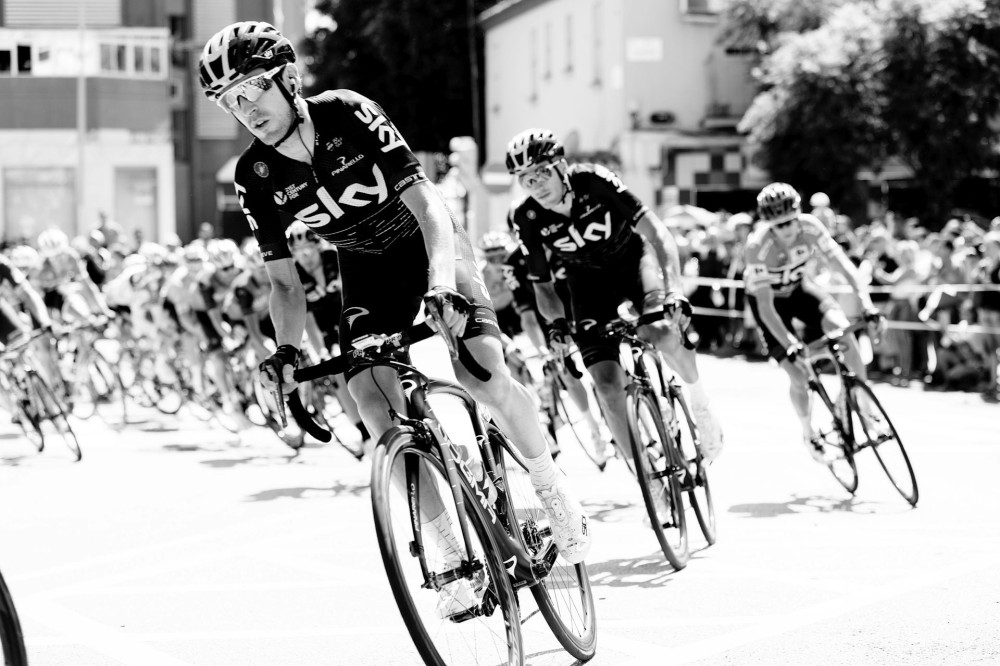
Cycling is rarely an individual sport. Teams plan their strategies around both the route and the weather. On flat stages, sprinter teams control the breakaways, while climbing teams save energy for the mountains. But if the wind suddenly changes direction, everything can shift in an instant.
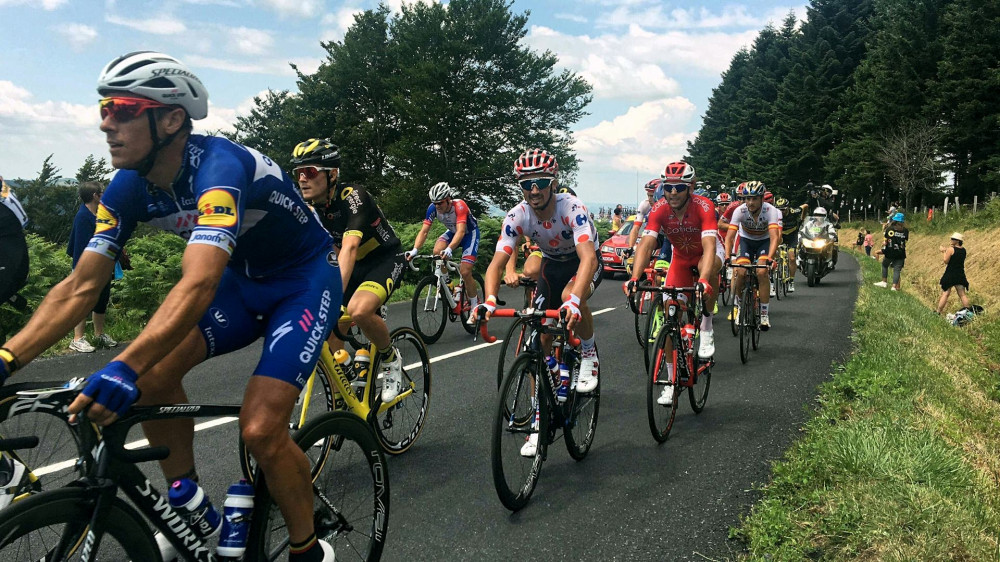
A classic example is when crosswinds hit the open roads of France or Belgium. Strong teams like Ineos Grenadiers or Soudal–Quick-Step can use the wind to their advantage, accelerating to split the peloton. Suddenly, favourites lose time – and the odds swing dramatically.
That’s why it’s not enough to know who the strongest riders are. You also need to understand how teams think and react to changing conditions. A team with several strong riders can use the weather tactically, while smaller teams must rely on timing and luck.
Data, Form, and Intuition – Three Keys to Better Predictions
Today, both teams and analysts use advanced data to assess performance. Power output, wind direction, temperature, and route profiles can all be combined to predict who’s most likely to succeed. But even with all the technology in the world, cycling remains gloriously unpredictable.
Form, confidence, and mental strength still matter. A rider coming off a big win may ride with momentum, while another might still be recovering from fatigue. That’s why intuition and experience remain vital – for sports directors and for those trying to read the race from the outside.
When Everything Comes Together
The most memorable races happen when route, weather, and tactics collide in dramatic fashion. A sudden downpour on a gravel section, a crosswind on an otherwise calm day, or a headwind on the final climb – any of these can change everything.
For fans and bettors alike, it’s this unpredictability that makes cycling so captivating. Understanding how the route profile and the weather shape the race isn’t just for enthusiasts – it’s the key to seeing the sport in a whole new light.
Læs også: